May 01, 2026
Aftersales has traditionally been built around a reactive model. Customers return to the dealership when a service is due, a warning light appears, or a fault develops. The relationship is often driven by need, rather than timing.
That model is beginning to change. As vehicle data becomes more accessible and intelligent systems become more capable, dealers are increasingly able to anticipate when attention may be required.
This shift allows aftersales teams to engage customers earlier, plan work more effectively, and reduce the uncertainty that often surrounds workshop demand. In doing so, predictive maintenance is reshaping not only how servicing is delivered, but also how long-term relationships are managed.
Why Aftersales Matters More Than Ever
When it comes to dealership performance, aftersales plays a central role. While vehicle sales generate immediate revenue, servicing, repairs, and ongoing maintenance provide a more consistent and predictable source of income.
It also directly impacts retention. Customers who return for servicing are far more likely to remain with the same dealership when the time comes to replace their vehicle.
Despite this, aftersales activity has often been difficult to manage with precision. Workload can fluctuate, bookings may depend on customer initiative, and opportunities for additional work are not always identified at the right moment.
Improving how and when customers engage with aftersales services is therefore not only an operational priority, but a commercial one.
From Reactive Servicing to Predictive Maintenance
Traditional servicing models rely on fixed schedules or customer-led visits. While effective to a point, they don’t always reflect how a vehicle is actually used, or what it might need.
Predictive maintenance in automotive retail takes a different approach. Instead of waiting for a service interval or a failure, it uses data signals to highlight when attention is likely to be required, allowing dealerships to act ahead of time.
This may include recognizing patterns in vehicle usage, identifying early signs of component wear, or highlighting behavior changes that suggest intervention is needed.
The result is a change in approach. Rather than responding after an issue occurs, dealers can intervene at a more appropriate point, improving both efficiency and the wider customer experience.
How Predictive Maintenance Works
Predictive maintenance changes not only how servicing is planned, but also how customers experience aftersales.
Instead of only interacting when something goes wrong, customers receive more timely and relevant engagement. Over time, this shifts perception. The dealership is no longer simply a place to resolve problems, but a partner that helps maintain the vehicle and minimize disruption.
This also creates more natural opportunities to carry out additional work at the right time. When recommendations are aligned with genuine vehicle needs, customers are more likely to approve work, increasing the value of each visit while maintaining trust.
Changing the Aftersales Customer Relationship
As this approach becomes more established, the relationship becomes more consistent and predictable.
Customers are less likely to encounter unexpected issues, and more likely to feel supported throughout ownership. The interaction moves away from isolated service events and towards an ongoing relationship built on timing, relevance, and trust.
From Insight to Action in the Workshop
Recognizing potential service requirements is only the first step. The real value comes from being able to act on that insight efficiently.
Service teams need a clear view of technician availability, current workload, and parts requirements to ensure work can be completed without delay.
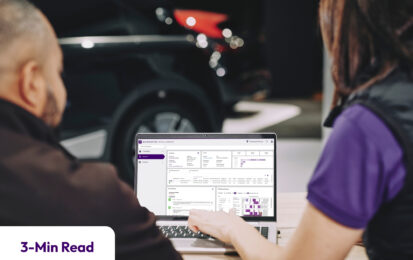
Within Pinewood.AI’s Service Intelligence system, these elements are connected within a single environment. Work can be assigned based on technician skill and availability, while real-time job tracking ensures that progress is visible across the team.
Integrated vehicle health checks and upsell workflows also allow service advisors to act on additional work at the right moment, supporting both efficiency and a transparent customer experience.
Reducing Unplanned Workshop Disruption
One of the most immediate benefits of a more predictive approach is reduced operational disruption.
Reactive servicing often results in unplanned jobs, urgent repairs, and last-minute changes, putting pressure on both technicians and service advisors.
By anticipating service requirements earlier, dealerships can reduce this unpredictability. Work arrives in a more controlled, manageable way, rather than in sudden spikes.
This creates a more stable working environment, where teams can operate with greater consistency and less day-to-day pressure.
The Future of Aftersales in Automotive Retail
As predictive capabilities continue to develop, the role of aftersales within the dealership is likely to change.
Servicing will become less dependent on fixed intervals, and more aligned to how vehicles are actually used. This will allow dealerships to plan work more accurately and reduce reliance on reactive bookings.
Adopting this approach requires more than identifying potential service needs. It depends on having the processes and systems in place to act on that information effectively.
Dealerships need to translate insights into planned work, align workshop capacity with expected demand, and maintain consistent communication with customers throughout the ownership cycle.
Pinewood.AI supports this by bringing service operations, customer engagement, and workshop planning into a single environment, enabling teams to act on emerging service needs in a structured, consistent way.
For dealership leaders exploring how predictive maintenance can be applied in practice, speaking with the Pinewood.AI team or booking a live demonstration can help you start building a more proactive and resilient aftersales operation.